I, Medusa by Ayana Gray – Book Review

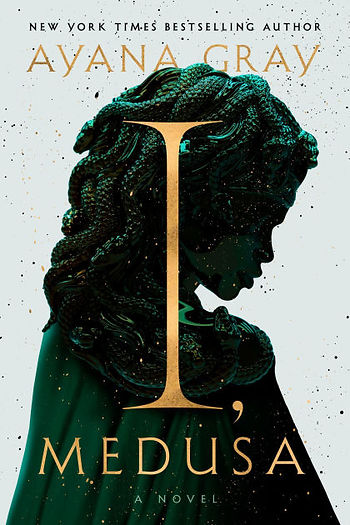
Book Rating: ⭐⭐⭐⭐.5
Genre: Adult Historical Fantasy
Spice: Medium
Summary:
Medusa, or Meddy as those who love her call her, is a young, headstrong mortal in a family of immortals. Knowing her life is limited in a way her sisters are not, Meddy is eager to leave her isolated island and see the world. So, when Meddy catches the attention of the goddess Athena, she jumps at the chance to go to Athens and become a priestess in Athena’s temple.
In Athens, Meddy finds a vibrant city filled with wonderful energy, where she thinks she may be able to find a purpose beyond anything she ever imagined serving and protecting the vulnerable of the city. She makes friends and enemies among the other acolytes as they undergo tests to ensure they have the capability to faithfully serve the Goddess. But while exploring the city, she catches the eye of another god, Poseidon, who takes a more personal interest in Medusa that makes her feel special. But soon, Meddy will find that being caught between two gods is a dangerous place to be. A story filled with female bonds and female rage; it’s ultimately about a girl trying to find her place in the world.
Reaction:
Prior to reading I, Medusa I knew who Medusa was, but never thought much about her story. This book takes Medusa’s story and makes it so meaningful and relevant to the modern reader. While I didn’t have a strong emotional reaction to the events of the book (especially since the blueprints of the story were already known), it did make me think a lot about how the issues that Medusa faced in this retelling are still incredibly relevant thousands of years after her legend takes place.
The narrative is so brilliant in how it presents all the different types of female relationships Medusa experiences, and how they can be fulfilling or fraught with an antagonism influenced by the power imbalances present in their society. Medusa’s experiences with the power imbalances around her are emphasized by the structure of the novel, where each section (Mortal, Maiden, Mistress, and Monster) has a name associated to the imbalance of power she’s experiencing in that section. This structure helps explain how Medusa’s upbringing and experiences in her youth ultimately influence her fate. There’s also themes of loyalty, finding purpose, and taking power for oneself in this novel. This book does include some sensitive topics such as domestic abuse and sexual assault that in my opinion makes it more appropriate for the adult audience who can fully appreciate how these experiences are important to Medusa’s story.
From a world-building and setting perspective, in my opinion this book really relies on the reader having some pre-conceived knowledge of the Greek Gods & Athens. The descriptions are light, and there are only brief references or explanations for influencing events that are a standard part of the Greek mythological legends that could provide further background for the interpersonal relationships between any of the other characters besides Medusa. There are some political and magical elements in the book, but they are relatively light, just supportive of the plot.
I really empathized with Medusa’s character. She’s an unreliable narrator in that she misinterprets some interactions, especially at the beginning when she is naive, but she’s also a very relatable character. She makes mistakes but is ultimately a girl who wants love and purpose but is taken advantage of by others with more power. Her feminine rage on behalf of her sisters, mother, friends, and ultimately herself was appropriately tempered by her awareness that not all men are the same, which made it more realistic than if she was just a being of female rage that some other Greek mythology depictions show. Some of the characters in the book may have presented as surface-level, but not those that Medusa ultimately relates to; they are complex and reflect some aspects of Medusa. I would not label this book as a romance, but there are romantic elements that influence the plot.
I really enjoyed reading this book; it was thought-provoking and brings a new version of a classic legend into a modern light. Those that enjoy Greek mythology retellings and villain origin stories will enjoy this book. If you are looking for a fantasy centered story about the monstrous Medusa of legend, this won’t be it. I thought the writing from author Ayana Gray was so poetic when writing about those societal power imbalances and will look out for her next novel, hoping she brings more of that energy!
What I enjoyed:
· The nuanced portrayal of the goddess Athena. From the start, it’s exactly how I would expect a goddess of strategic war and wisdom would behave: coy, but on the surface benevolent.
· Medusa’s complicated relationship with her sisters and her friend Theo. Medusa’s in-between position where she is not immortal like her sisters, but she is also above her friend Theo, who is a slave, was so critical to her upbringing, and continued to present complications throughout the novel.
· The commentary on women being on the losing end of power imbalances, and how that is a result of a patriarchal society. Women must align with the powerful men over other less powerful women to keep what little power they have gathered, even when those men are in the wrong.
What I didn't enjoy:
· I wish there had been a little more about Medusa’s life after being turned into a Gorgon, but the way it was presented did tie the main themes of the novel nicely together.

